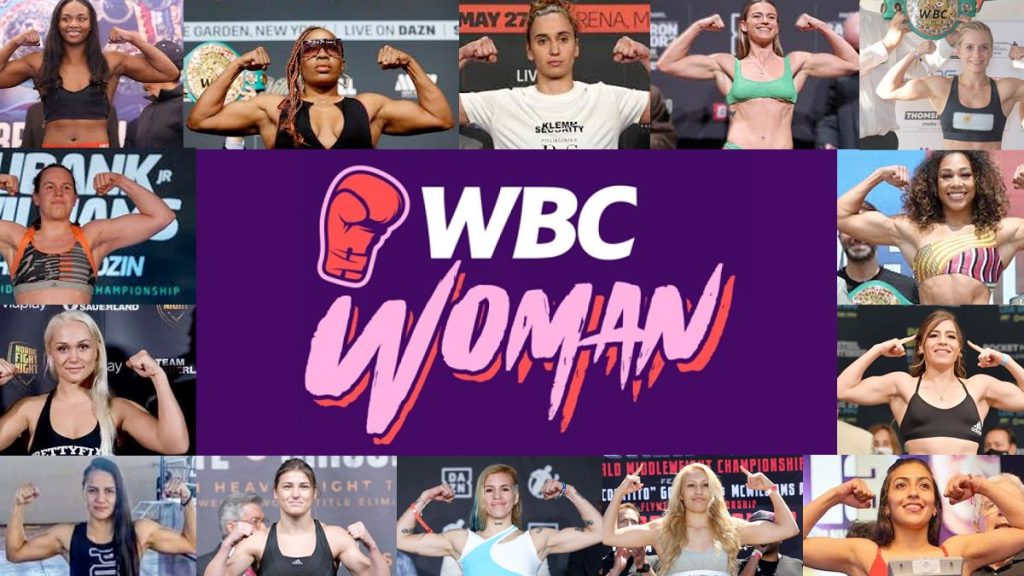

Since its creation, the World Boxing Council has evolved and transformed the way this noble sport is administered; and for the WBC, the most important thing has always been to safeguard the safety, health and respect of the boxer.
The WBC has dedicated significant resources and efforts to medical and scientific studies and various events to dignify and support women’s boxing. The WBC instituted a series of rules that consider the biological processes of women, one of the most important ones: One pound allowance at the official weigh-in.
The reason this rule was instituted in all Women’s WBC affiliate and world championship fights is because biologically hormones play a very important role in women as they help regulate body processes from heart rate, sleep cycles, metabolism, appetite, growth, development, body temperature and emotions.
So, understanding these changes and that hormone levels fluctuate related to the periods of the menstrual cycle, the WBC implemented this rule which is UNIQUE and has given many boxers the opportunity to fulfill their dream of becoming world champions as recently did the new interim champion Cecilia Braekhus, who on the day of the weigh-in was 0.7 pounds over the official weight, which, if it had not been for the one pound tolerance rule, would have lost the opportunity to be crowned world champion.
It is worth mentioning that her rival Maricela Cornejo confirmed that she herself has appealed to this WBC regulation, as in on one occasion, due to her period, she was a few grams over the weight.
The tolerance pound in the official weigh-in has been used on many occasions and we publicly thank the collaboration of the local boxing commissions where these fights have been held.
Today, under the leadership of its President Mauricio Sulaimán, the organization continues working to enhance boxing, as well as to protect the health and well-being of all boxers, above any interest, always promoting our values: loyalty, justice, integrity and respecting the social commitment that supports our history.

test