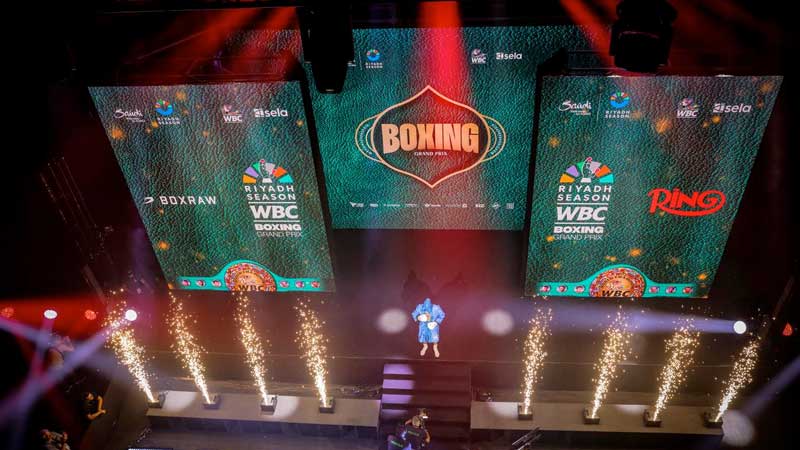

The WBC Boxing Grand Prix marked a turning point in the history of professional boxing, establishing itself as one of the most ambitious and innovative projects ever promoted by the World Boxing Council. Conceived as an international single-elimination tournament, the event brought together fighters from around the world with a shared goal: to break onto the global stage and accelerate their rise within professional boxing.
The first edition of the WBC Boxing Grand Prix featured 128 fighters from more than 40 countries, divided into four weight divisions: featherweight, super lightweight, middleweight, and heavyweight. Each division began with 32 competitors, who advanced round by round in a demanding format that tested not only talent, but also consistency, physical preparation, and adaptability.
The tournament unfolded over several months under a single-elimination system, with no draws permitted and six-round bouts scheduled in the early stages. As part of its innovative approach, the WBC implemented regulatory elements aimed at transparency and action, including open scoring after the second and fourth rounds, the use of instant replay, and 30-second warnings before the end of each round—measures that provided greater clarity for both fighters and fans.
Beyond its format, the WBC Boxing Grand Prix reflected a long-standing vision promoted by Don José Sulaimán, who for years advocated for the concept of a tournament-based world championship. Under the leadership of Mauricio Sulaimán, that vision was realized in a project that restored prominence to sporting merit and the competitive journey as a legitimate path to international recognition.
After completing all its stages, the WBC Boxing Grand Prix crowned four champions who distinguished themselves in highly competitive fields and emerged as the main protagonists of this inaugural edition.
In the featherweight division, Brandon Mejía Mosqueda claimed the championship following a consistent performance throughout the tournament, showcasing technical solidity and the ability to deliver in decisive rounds.
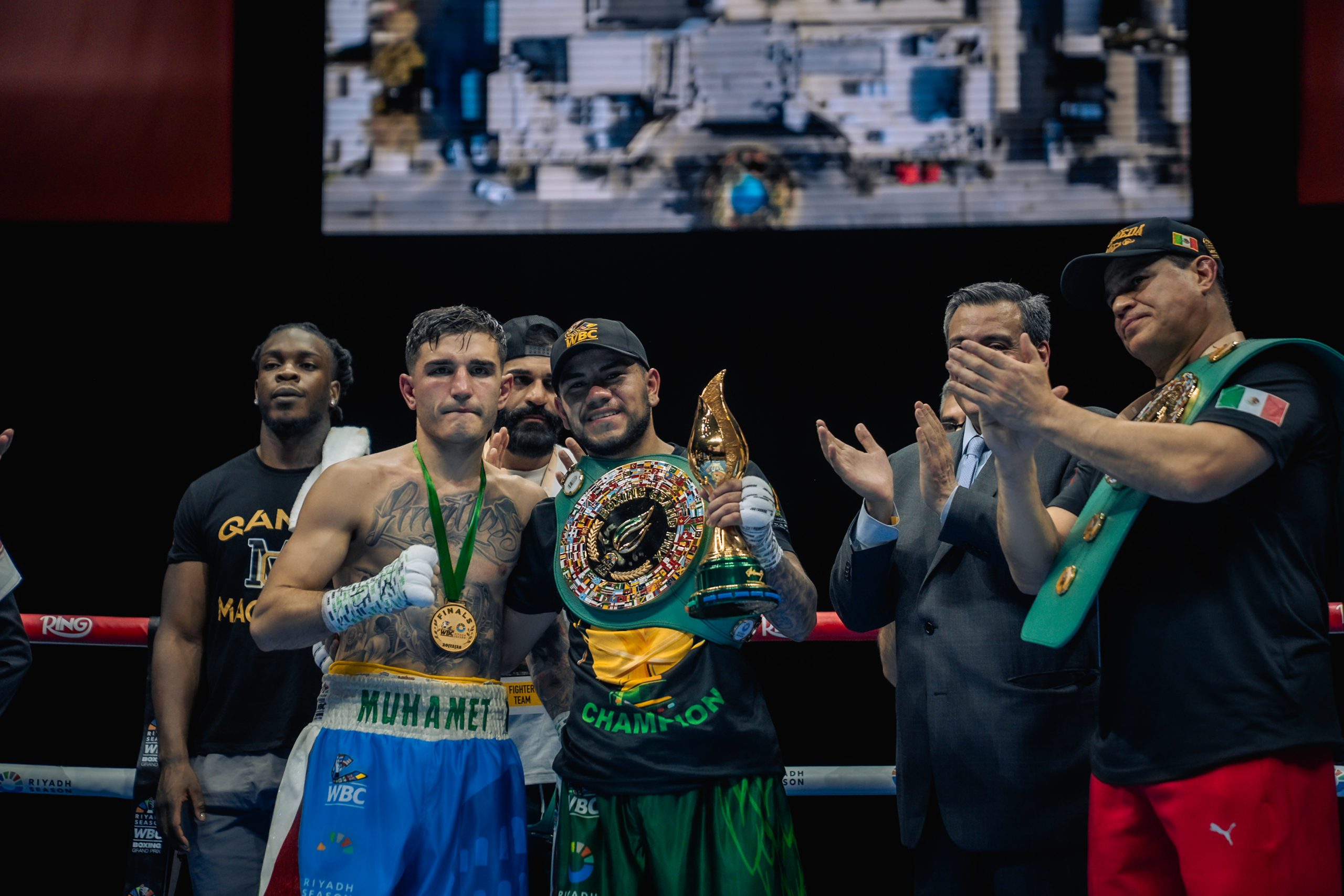 At super lightweight, Carlos Utría captured the title after navigating a demanding path, prevailing through tactical discipline and consistency—key attributes in a single-elimination format.
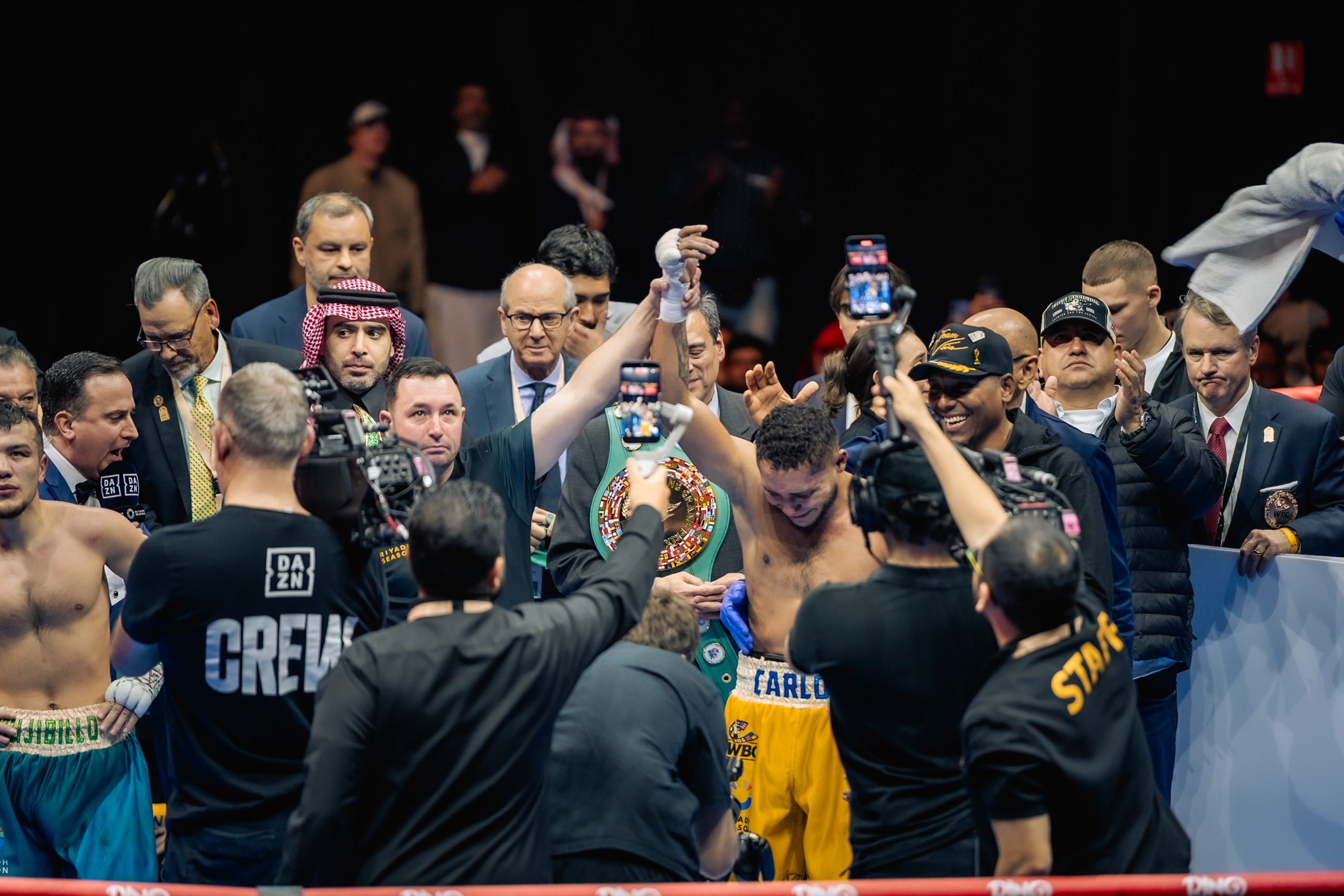 The middleweight category crowned Dylan Biggs as its champion, as he demonstrated maturity, control of the fight’s tempo, and a strong ability to adjust against different styles, all essential qualities in reaching the top of the tournament.

In the heavyweight division, Kevin Ramírez secured the trophy after completing a challenging run against opponents from various regions of the world, confirming his potential within boxing’s most emblematic division..
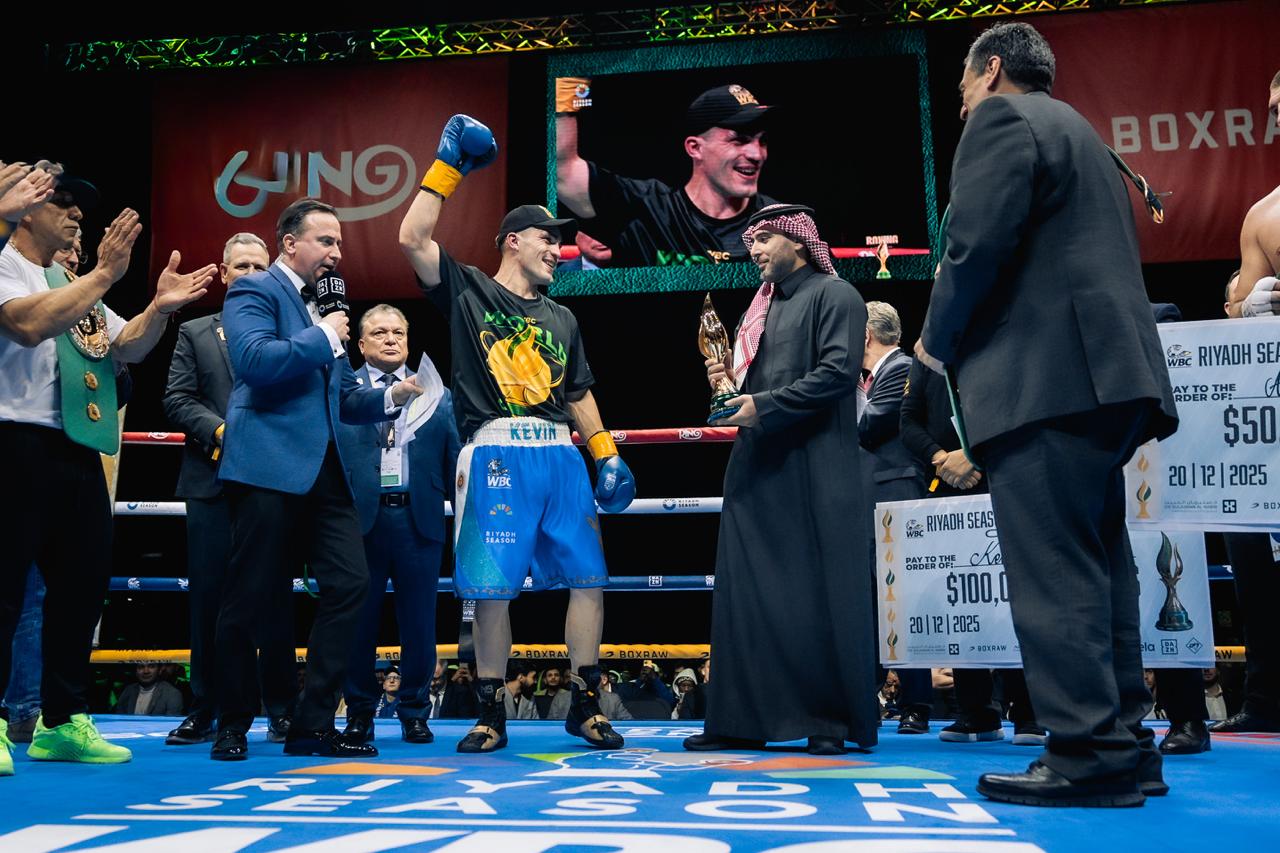
All four champions received the José Sulaimán Trophy, a symbol of the legacy of the WBC’s historic leader, along with a significant sporting boost by earning a privileged position within the organization’s rankings, opening the door to future opportunities for Silver, interim, and world titles.
The success of the WBC Boxing Grand Prix was reflected not only in its results, but also in its conceptual impact. The tournament proved that innovation, sporting fairness, and global projection can coexist, setting a precedent that reinforces the WBC’s commitment to developing new talent and advancing the evolution of professional boxing.
This first edition made it clear that the WBC Boxing Grand Prix has arrived to become a permanent platform and a new pathway to the elite of world boxing.

test