Achievements of Don José Sulaimán: Neural Research at UCLA
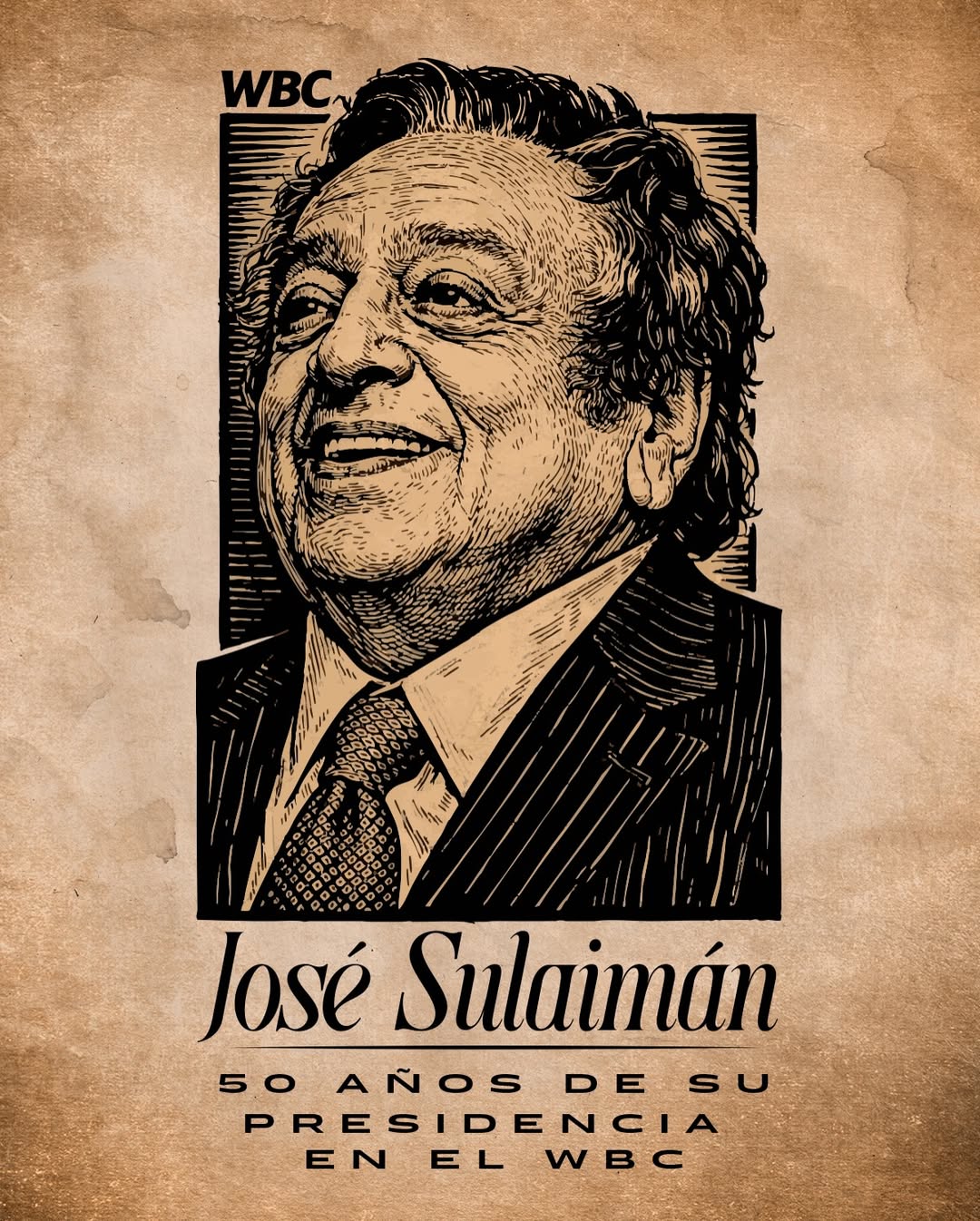
Don José Sulaimán Chagnón, the man who not only presided over the WBC, but also humanized and modernized the sport of boxing, achieved great milestones during his career, which we continue to remember throughout 2026.
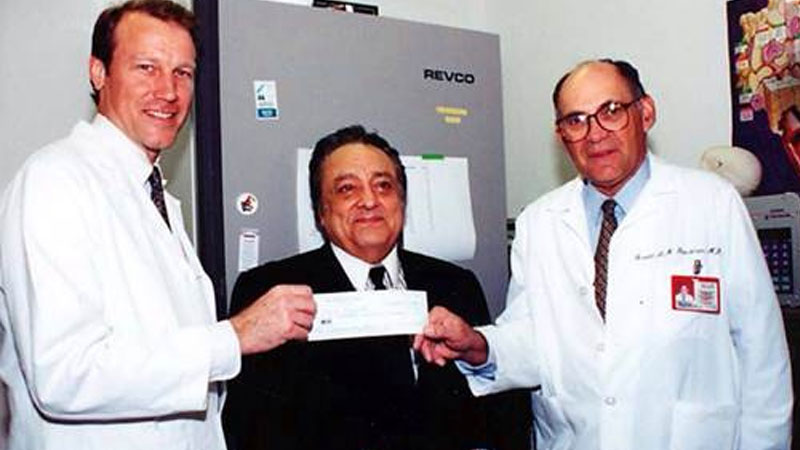
For Don José Sulaimán, boxer safety was not just a matter of rules, but of applied science. One of his deepest legacies with the greatest long-term impact was the funding and development of scientific brain studies, carried out in direct collaboration with the University of California, Los Angeles (UCLA).
This initiative was born from a clear premise: boxing had to stop being a sport based on assumptions and become a discipline backed by cutting-edge neurology.
Through the World Boxing Council (WBC), Don José allocated significant funds so that world-class specialists at UCLA could investigate the effects of impacts on the human brain. The primary objective was the detection of early injuries—those not visible to the naked eye but which, if left untreated, can lead to chronic or fatal damage.
Thanks to this research, critical advances were achieved in:
Identification of Cumulative Damage: Understanding how micro-traumas affect long-term health, allowing for the establishment of more precise mandatory rest periods.
Recovery Protocols: Developing medical guidelines regarding when it is safe for a boxer to return to training and competition after suffering a knockout.
Diagnostic Technology: The push for boxing commissions to adopt the use of CT scans and MRIs as preventive requirements.
Don José did not just want scientific reports; he wanted changes in the ring. The UCLA studies provided the scientific basis for many of the rules we take for granted today, such as the reduction of rounds and immediate medical suspension after an intense fight.