
The World Boxing Council’s commemorative belts for May 5th and September 16th, which were created as special trophies for the winners of major fights around these two important Mexican holidays, regardless of the fighters’ nationality.
Major sports around the world have key dates on their calendars for their biggest events. American football has the Super Bowl in February, the Baseball World Series takes place in October, and the Champions League final is in May. In its way and on these special days, something magical happens for Boxing. Our sport has two dates when we can watch boxing at its highest level: May 5th and September 16th.
This concept started in 2017. Since then, a different culture is chosen each year to create these belts, paying tribute from the WBC world to global boxing and “Mexicanidad”—the heart, soul and essence of being Mexican.
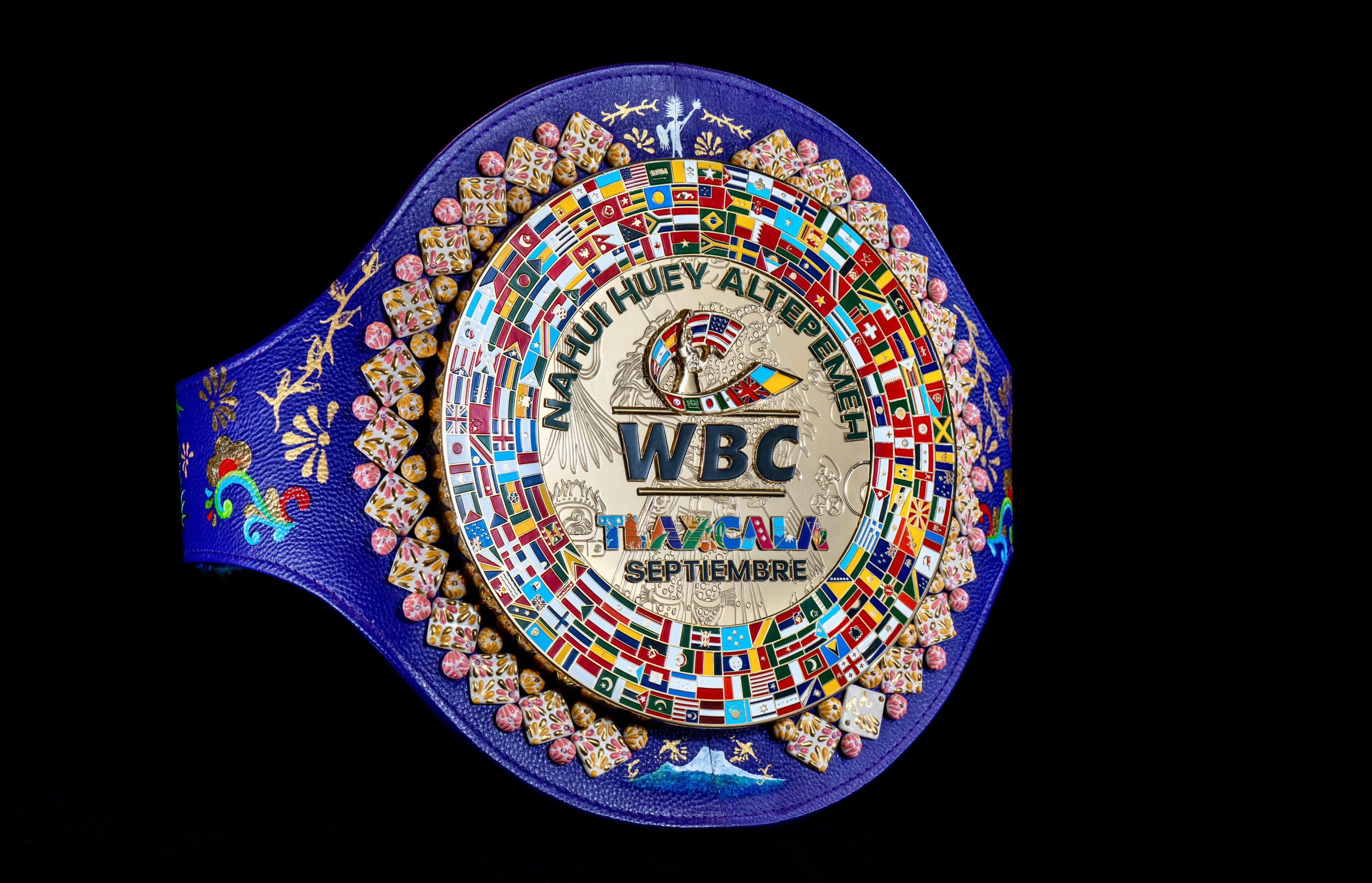
To honor the most significant fight in September 2025, the WBC is introducing the “Nahui Huey Altepemeh” – Tlaxcala II belt.
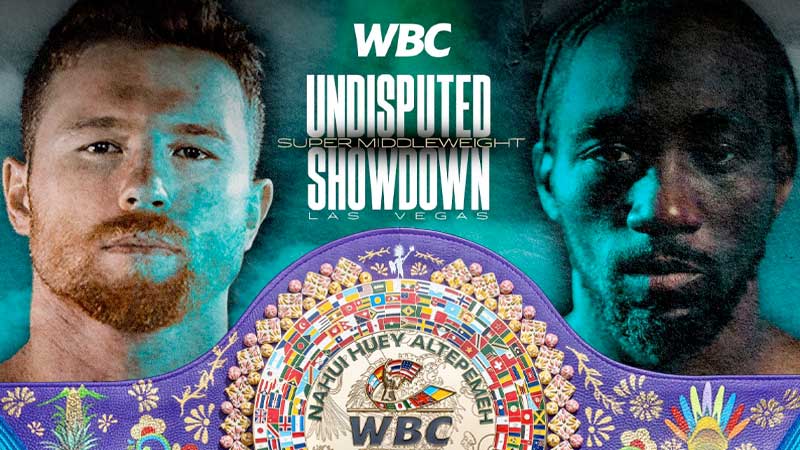
On September 13th at the Allegiant Stadium in Las Vegas, with a live broadcast on NETFLIX, the world will witness a spectacular clash between two of the finest pound-for-pound fighters of the last decade: Saul “Canelo” Alvarez and Terence “Bud” Crawford. The belt will be awarded to the winner of this monumental fight.
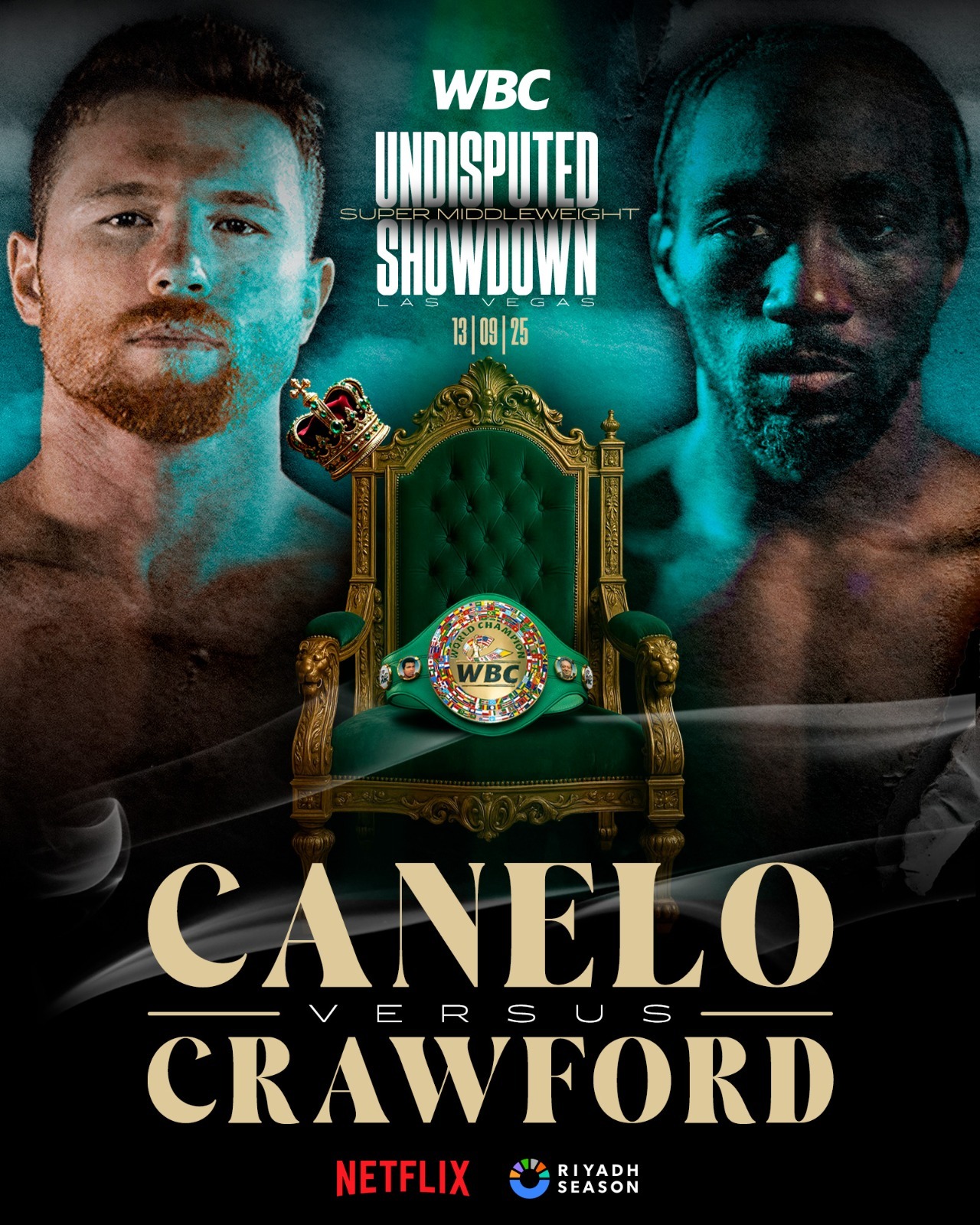
Canelo, a multiple world champion in four divisions, enters as the biggest star in Mexican boxing and a global sports icon. Facing him across the ring is Crawford, an undefeated fighter with impeccable technique who many consider the most complete boxer of his generation.
Here are the details of the past September 16th commemorative belts:
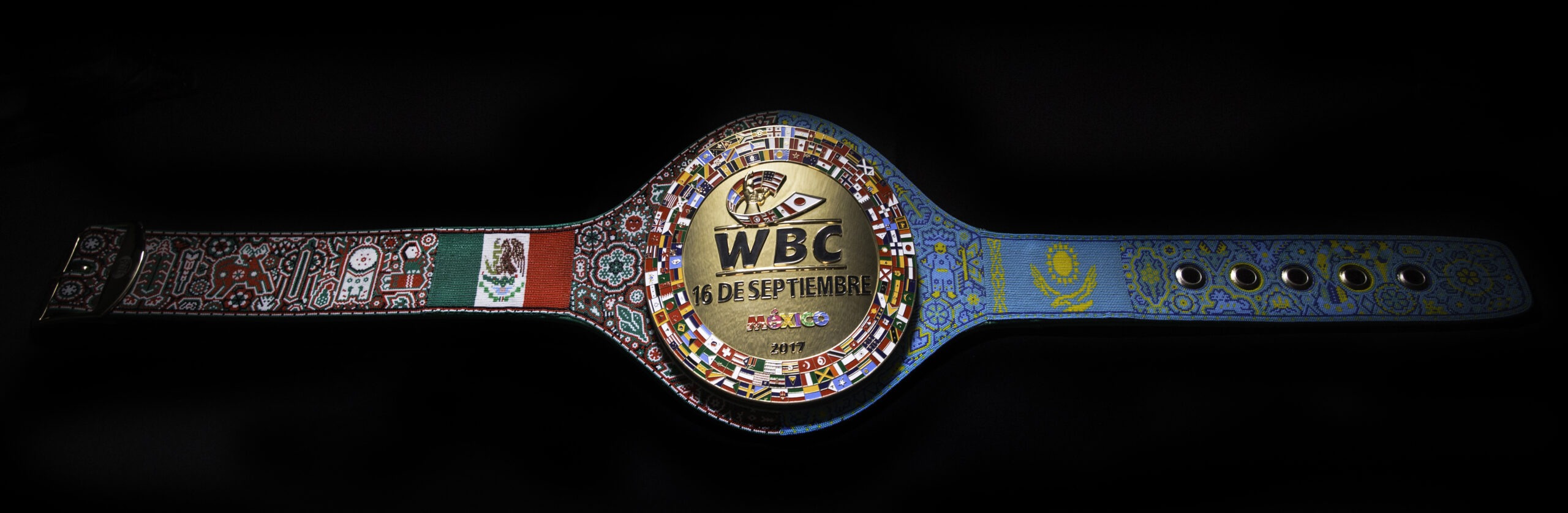
“Huichol II” Belt:
This monochromatic masterpiece holds special value, as it embodies the heritage of a culture that has remained intact through generations. The belt highlights the importance of Huichol symbolism. For this culture, the chakiras (beads) represent the heart of the deer, the sun, fire, and the wind. Luis de la Cruz worked with his brother Sergio to capture the essence of both Mexico and Kazakhstan, while also representing the corn cycle, a symbolic date for the Huichol people.
• Fought for by: Gennady Golovkin and Saul Alvarez
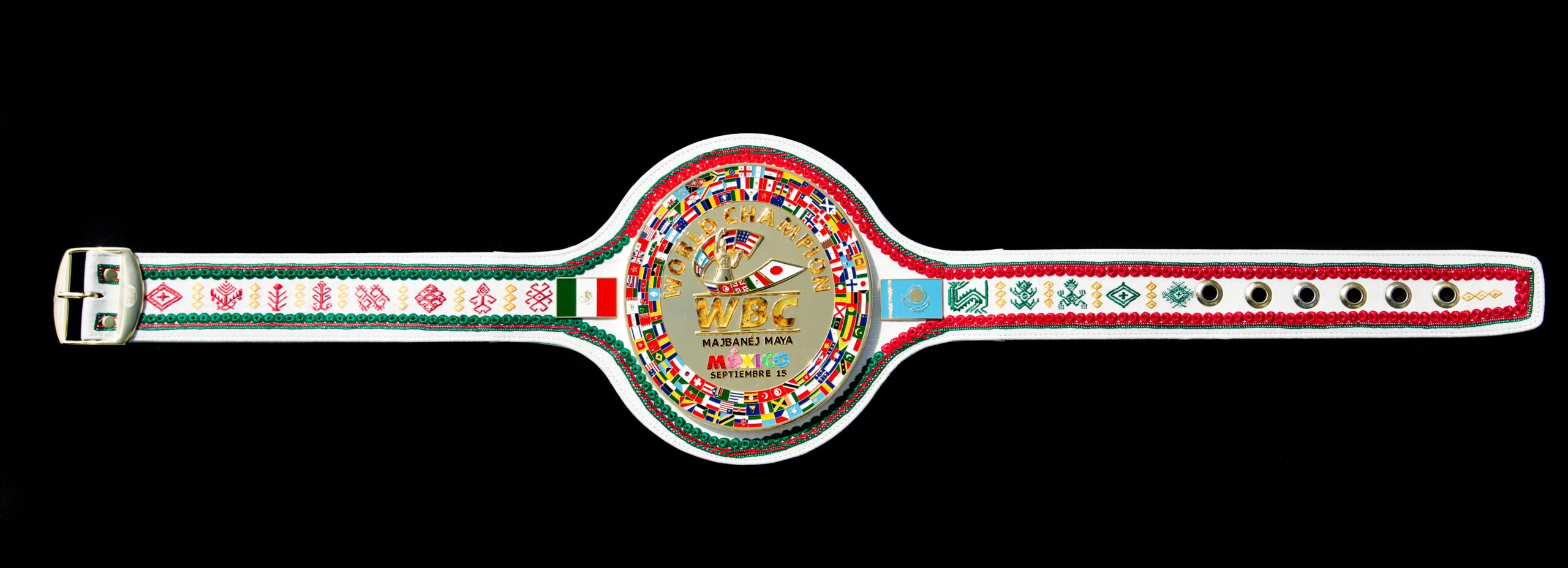
“Chiapaneco II” Belt
The second edition of this belt is named “Majbanéj-Maya,” a Tzotzil Mayan phrase meaning “Mayan Warrior.” Its design represents power, strength, and courage. Corn appears as a symbol of creation, the flower represents beauty and life, and the diamond shape represents the world. This version is predominantly white and features details such as corn, the jaguar, and flowers—all prominent symbols of the culture.
• Fought for by: Gennady Golovkin and Saul Alvarez in their second fight
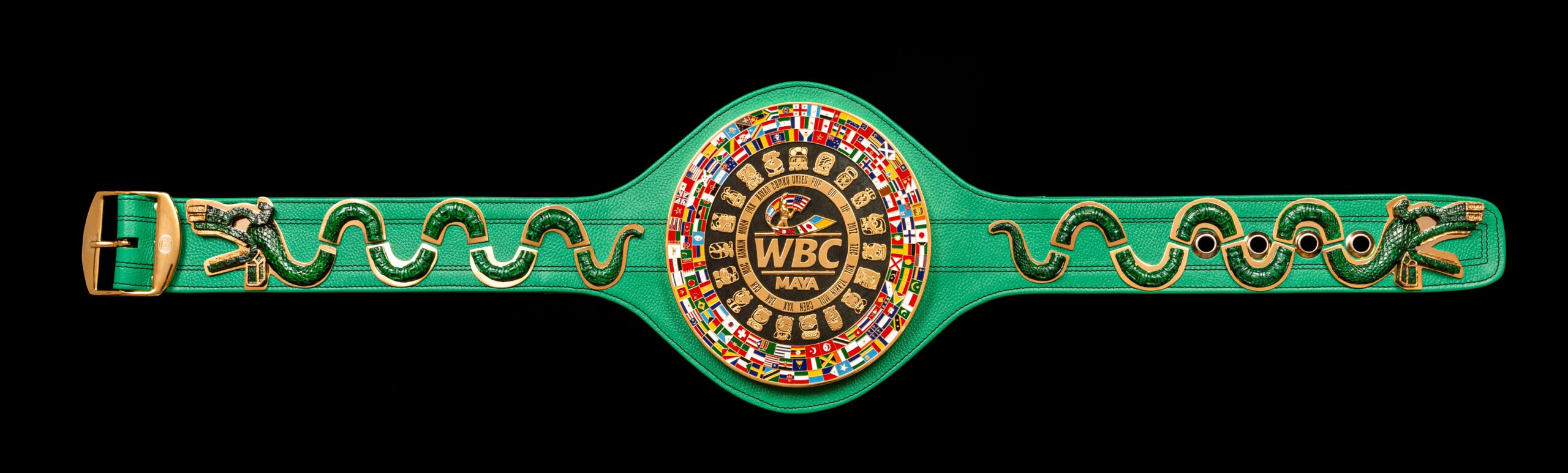
“Maya II” Belt
This work of art also pays tribute to the god Kukulcán, known as the Feathered Serpent. In this edition, the movement of the serpent represents the joys and difficulties in a person’s life.
• Fought for by: Tyson Fury and Otto Wallin
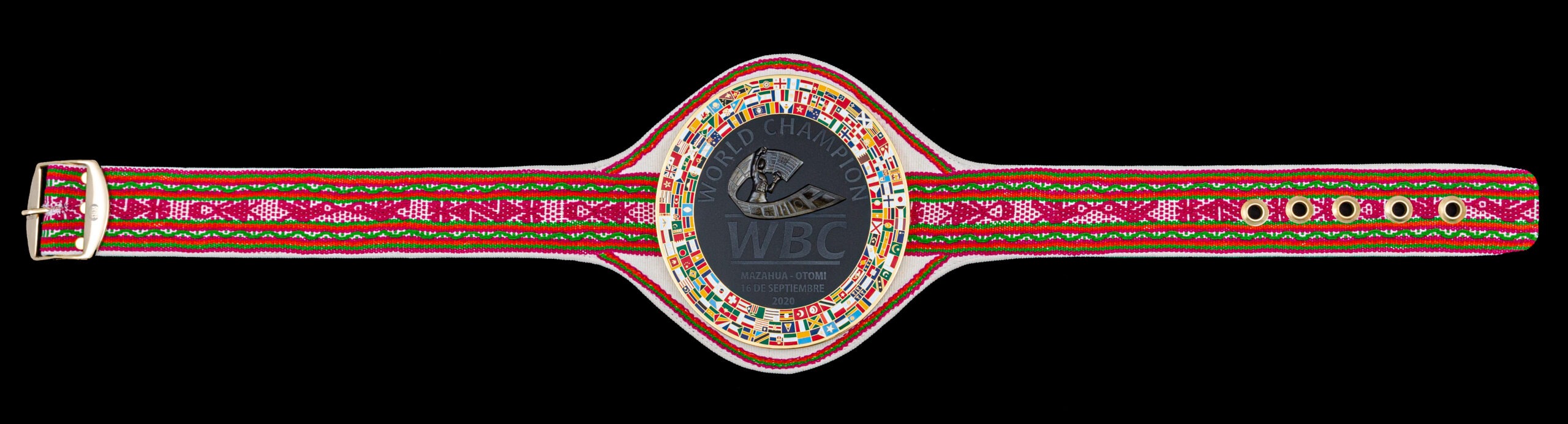
“Otomí” Belt
The State of Mexico and the Rubicó Art Gallery brought this unique piece to life. It was hand-embroidered by artisan Reyna Rayón, who used colors and symbols to represent the most important values of this ethnic group: love, family unity, equality, tolerance, and opportunity. The Rubicó Art Gallery complemented this handcrafted jewel with a masterful piece of obsidian, making it the heart of the belt.
• Awarded to: Julio Cesar Chavez and Jorge Arce in their exhibition fight to support healthcare workers.
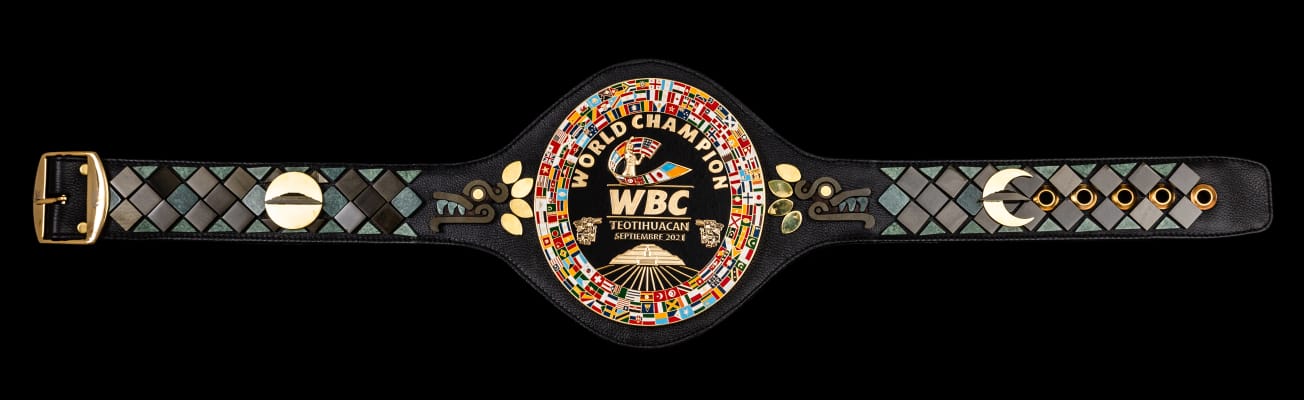
Teotihuacán Belt
The belt is made up of more than 40 pieces of golden obsidian, an iconic rock from this culture that was vital to the Teotihuacan economy. In the center are two snakes facing each other with jade teeth. The bodies of Quetzalcóatl are part of the belt with a geometric pattern that alludes to the deity’s plumage. The golden obsidian and jade diamonds are a geometric pattern that references Teotihuacan mural painting. The piece also features brass details and the iconic Pyramid of the Sun and the Moon.
• Fought for by: Saul “Canelo” Alvarez and Caleb Plant.
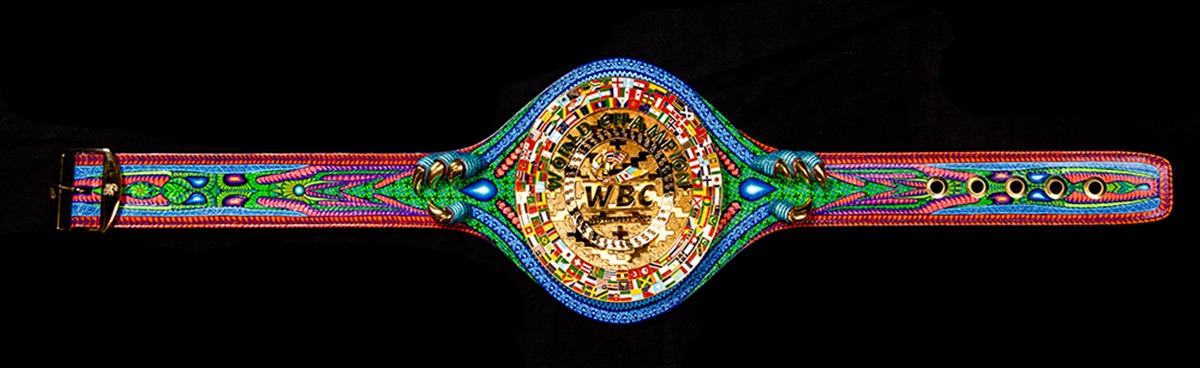
Zapotec Jaguar Warrior Belt
The belt features a hand-painted decoration with organic and tribal forms in a brilliant color palette reminiscent of the beginning of the artistic style. It also includes two carved copal wood applications (the workshop’s raw material) shaped like jaguar claws and adorned with gold leaf.
Passion, pride, courage, hope, tears, and effort are all inherent values of boxing, which are juxtaposed with the handcrafted decoration, including symbols like the Labyrinth, Rattlesnake, House, and Person. In Zapotec wisdom, these represent the constant search through the labyrinth, ultimate power (which comes from the rattlesnake), the house as a place to be protected and to grow and plant for the future, and the person who humbly makes up their town and community.
• Fought for by: Saul “Canelo” Alvarez and Gennadiy Golovkin.
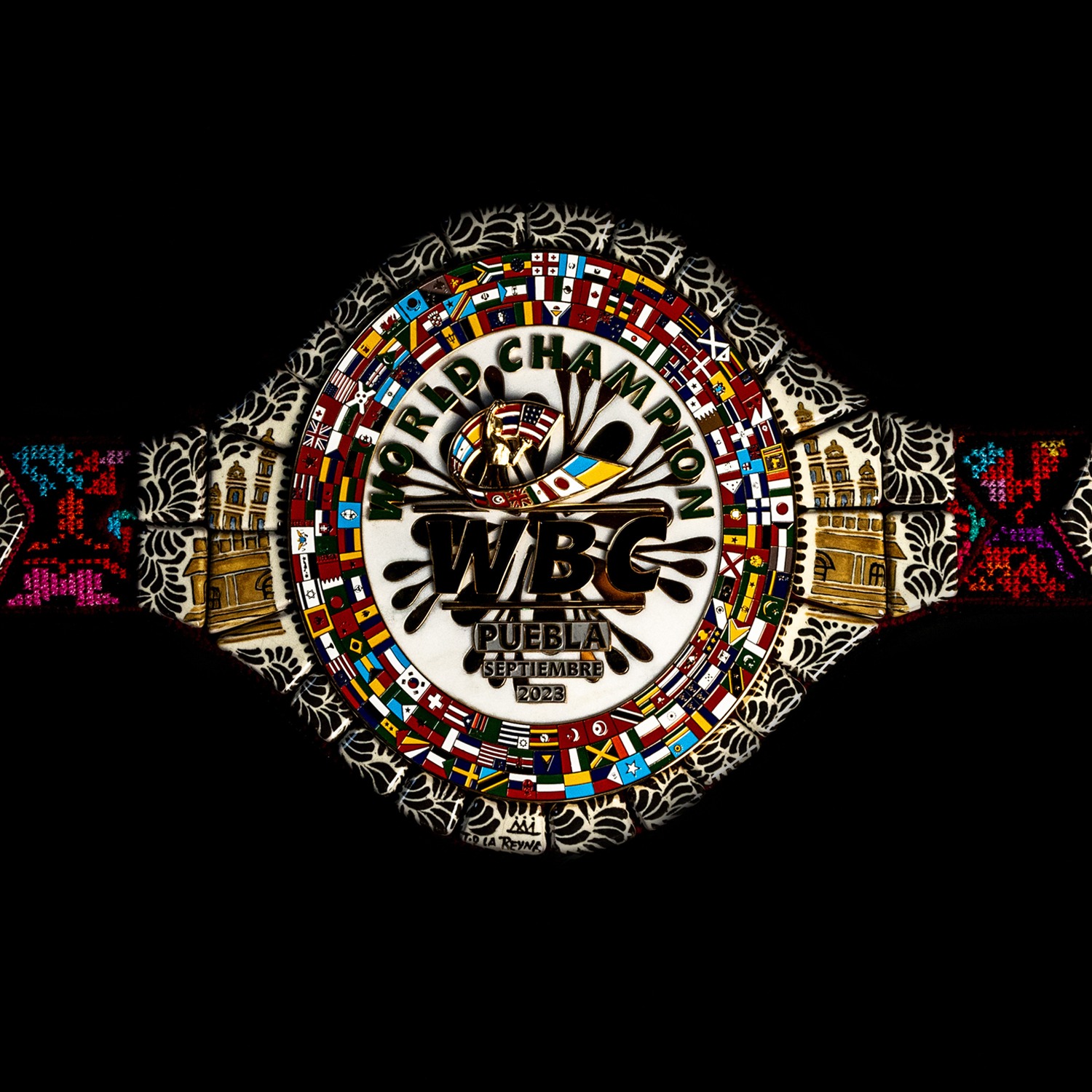
Puebla II Mexico Belt
The WBC unveiled the Puebla belt, a jewel created by artisans from cultures that merged to create a belt of vibrant colors with majestic representations. It was designed by Angélica Moreno at the Talavera de la Reyna workshop. The belt was made using two of the most important artisanal techniques in the state of Puebla: talavera and embroidery. The talavera frames the belt’s plaque with a traditional Puebla design; the plumeado (feathering), which is representative of Puebla, was done in black in this edition to bring an ancient design into a contemporary style, preserving the traditions of Puebla.
• Fought for by: Saul “Canelo” Alvarez and Jermell Charlo.
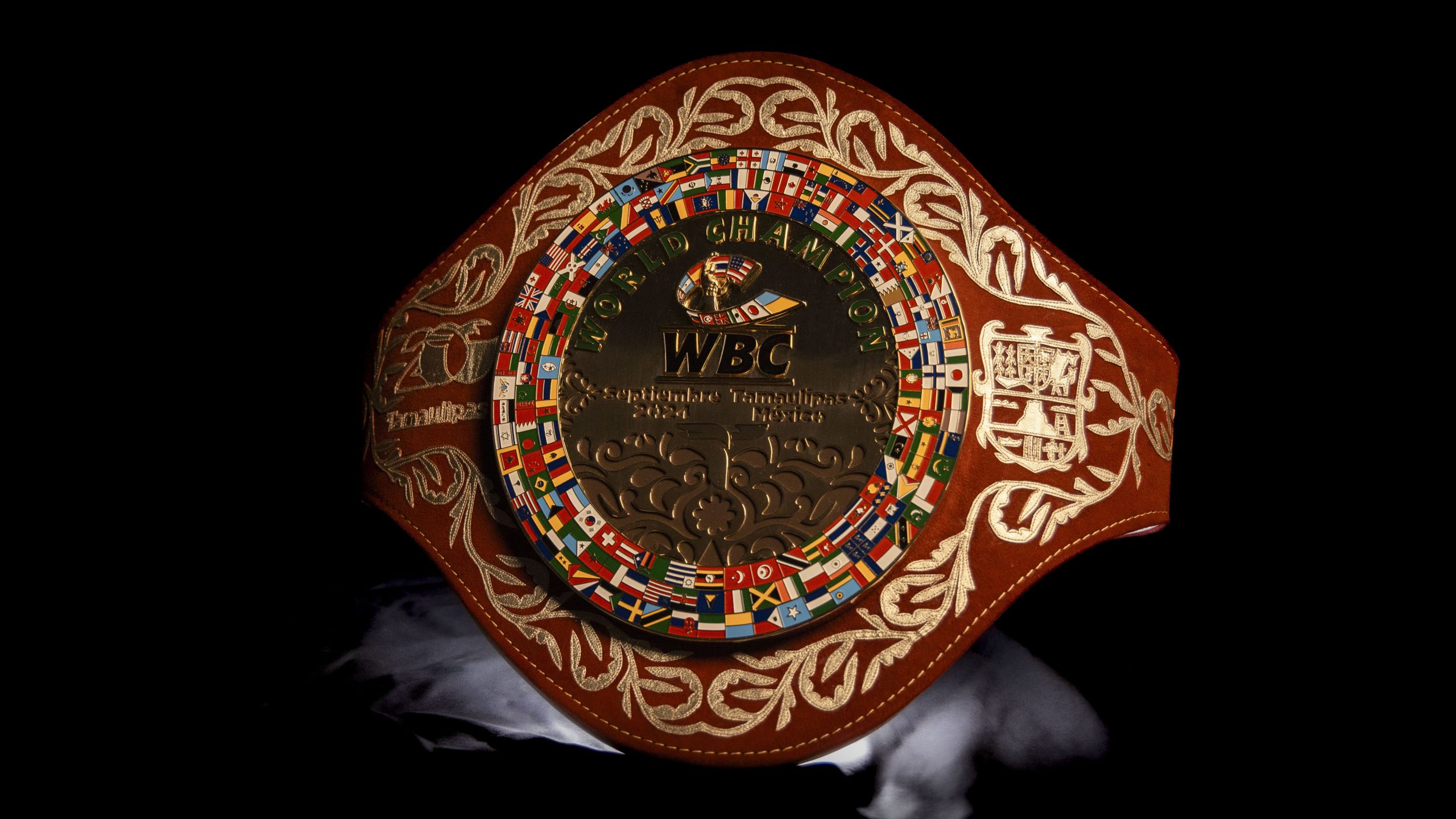
“Tamaulipas II” Belt
The main element of the belt is the Tamaulipas cuera (leather jacket), a fundamental symbol in the culture and identity of the region. The crafting, tailoring, and assembly were handled by Artesanias REYZA, resulting in a unique and original custom work. The belt includes a plaque designed by Imperio de Metal with 24-karat gold plating, all worked, polished, painted, and cut by hand. The plaque depicts a heart, representing what is needed to be a world champion: courage, dedication, passion, and a big heart.
• Fought for by: Saul “Canelo” Alvarez and Edgar Berlanga.
Nahui Huey Altepemeh – Tlaxcala II Belt
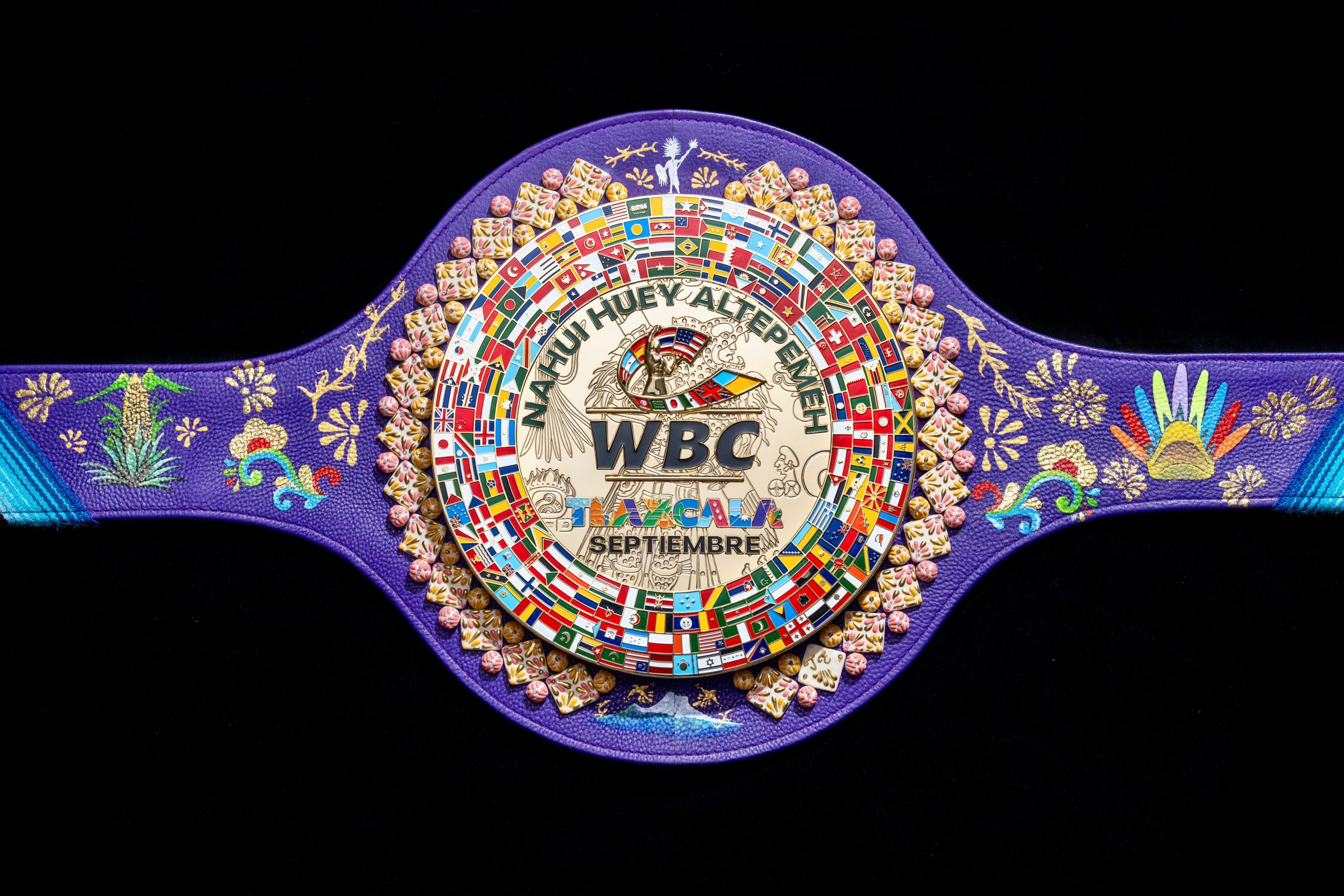
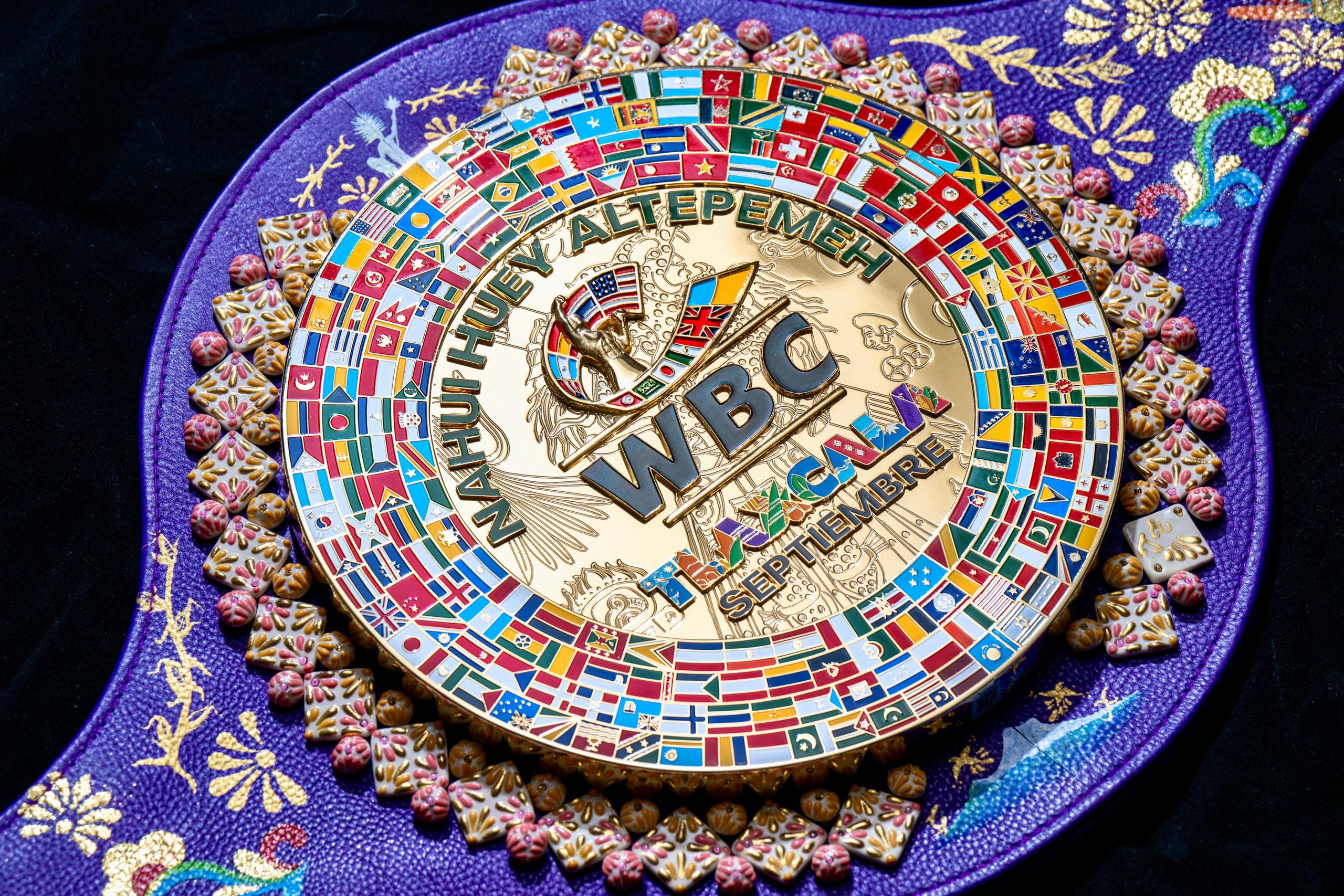
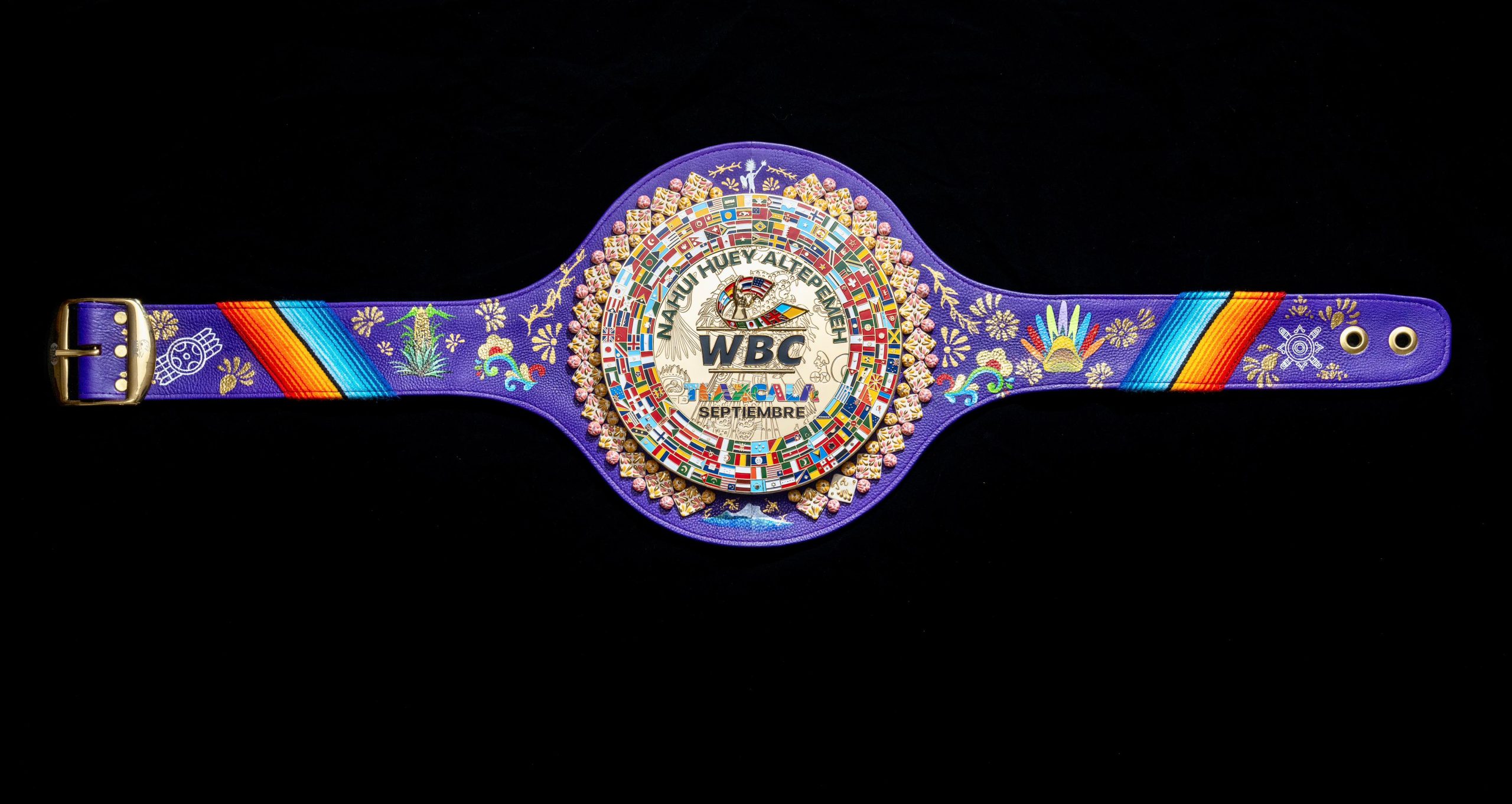
The WBC created the commemorative “Nahui Huey Altepemeh” belt, a tribute to Tlaxcala that merges art, tradition, and athletic excellence. The creation of the belt involved Guadalupe Xicohténcatl, who painted symbols of the Tlaxcalan worldview onto leather. Jaqueline España integrated 70 pieces of talavera in pink and yellow tones with 10-karat gold details.
Each piece created for the belt is the result of a meticulous process where color, texture, and shape represent the artisanal tradition and the energy of boxing. The central plaque of the belt, made by Imperio de Metal, includes the Cacaxtla mural and the Nahuatl inscription “Nahui Huey Altepemeh,” which honors the lineage of the four Tlaxcalan lordships, forming the heart of the belt and uniting art, history, and Mexican excellence.
• This belt will be taken home by the winner of the fight between Canelo and Crawford.

test