
This month commemorates a fundamental milestone in the history of global sports: the 43rd anniversary of the first-ever WBC world title fight contested over 12 rounds.
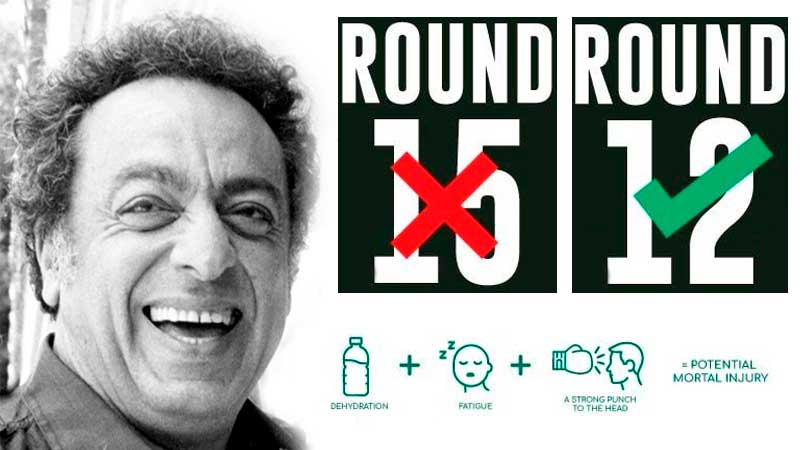
This measure forever transformed boxer safety under the humanistic vision of Don José Sulaimán.
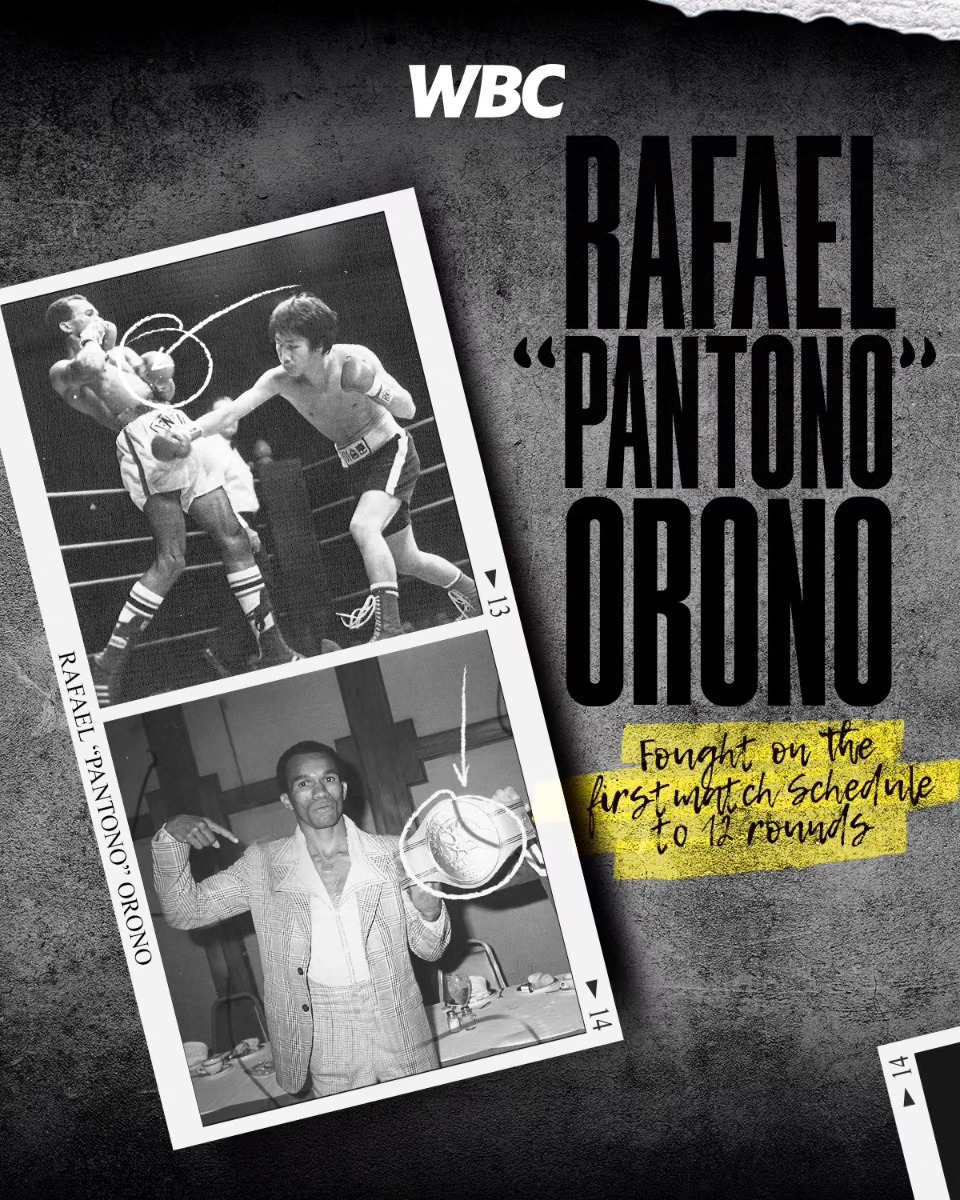
The protagonist of this historic transition was the Venezuelan Rafael Oronó, who on January 31, 1983, defended his WBC World Super Flyweight Championship against Panama’s Pedro Romero in Caracas. That bout marked the starting point of one of the most significant changes in our sport.
Prior to 1983, world championship fights were held over 15 rounds. However, following in-depth medical studies spearheaded and championed by the WBC, it was determined that extreme exhaustion during the final three rounds (13 to 15) was a critical factor in tragic brain injuries.
Under Don José’s leadership, the WBC made the decision to reduce the distance of world title fights from 15 to 12 rounds.
Although initially criticized, the measure proved to drastically reduce the risks of dehydration and brain damage, eventually being adopted by every other sanctioning body and commission in the world.
Rafael Oronó’s victory over four decades ago signaled the beginning of the “Modern Era of Boxing.” Today, as we celebrate this anniversary, the sporting world recognizes that those nine fewer minutes of combat have saved countless lives, ensuring that the warriors of the ring return home to their families.

test